


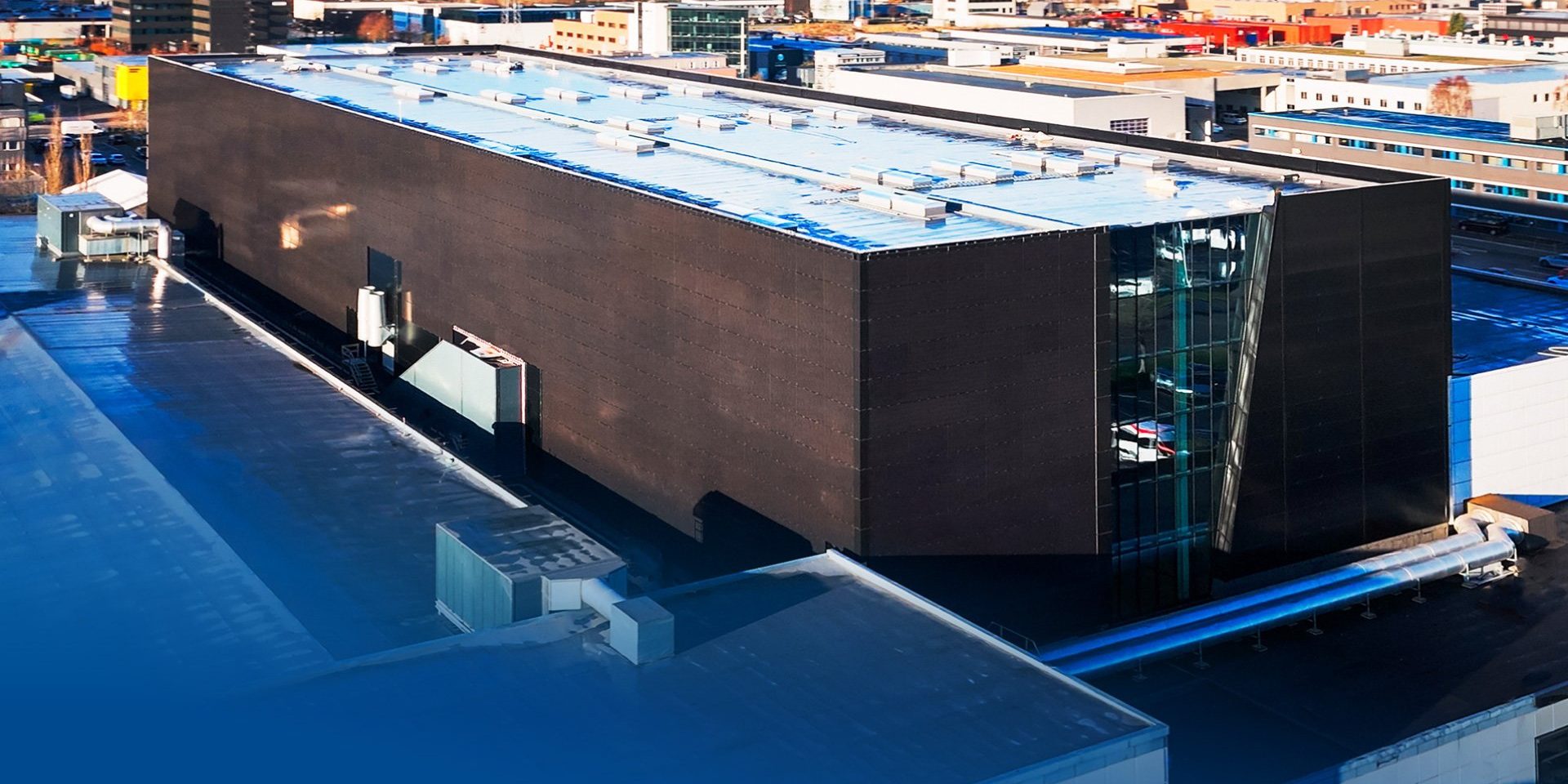
A groundbreaking energy sustainability project turning a prominent shopping center in Stavanger into a beacon of green innovation.
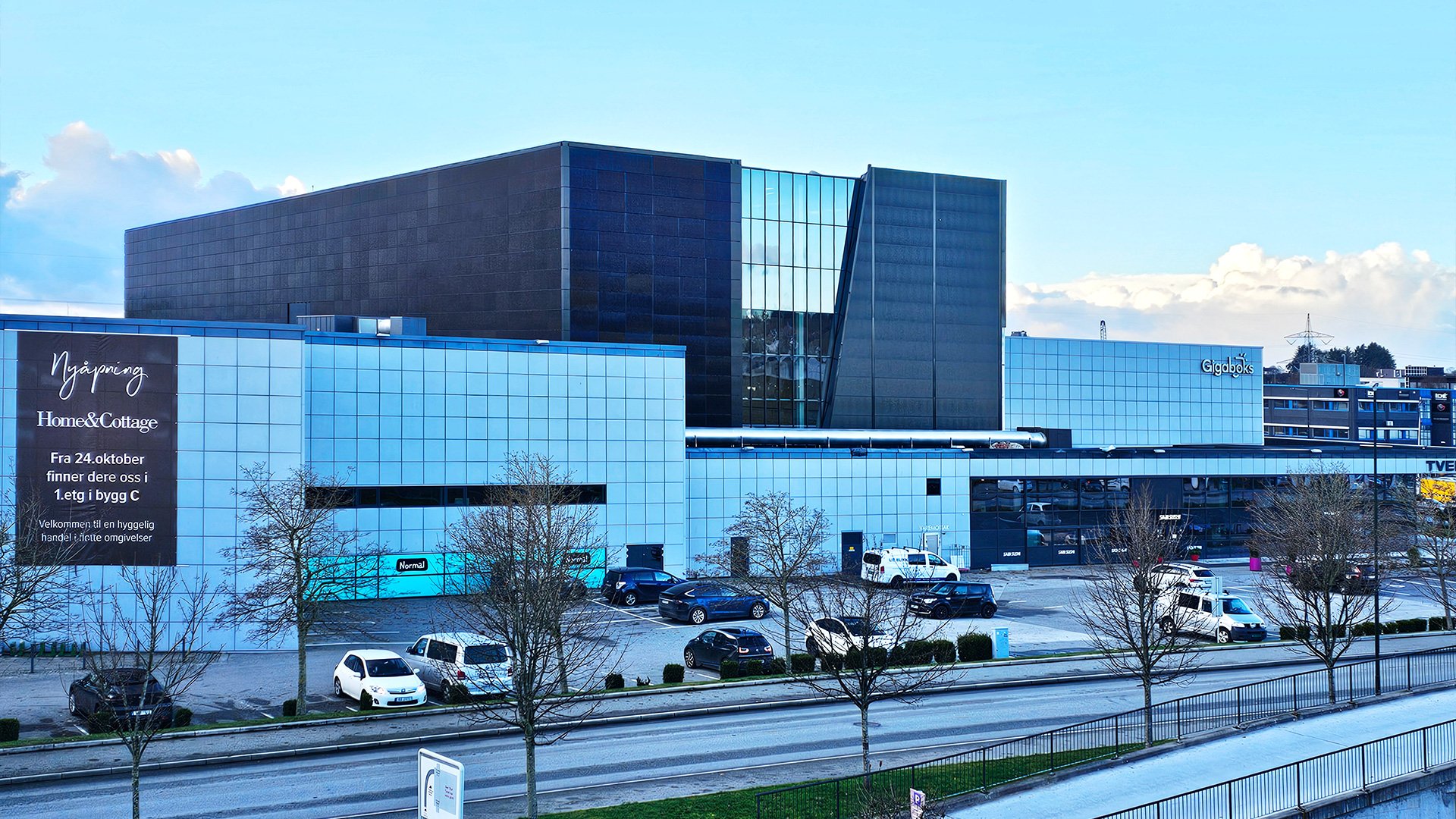
Stavanger, Norway – Against the backdrop of a city known for its oil and gas wealth, a striking new symbol of sustainability is challenging expectations. The largest solar façade in Norway has been installed by TVEDTsenteret, a well-known shopping mall in Stavanger, setting a precedent for energy innovation in a region traditionally tied to fossil fuels.
The gleaming black façade, composed of 880 FuturaSun Silk Nova Duetto panels, is a bold architectural and environmental statement. With an estimated annual energy output of 260,000 kWh, the façade is poised to do more than generate electricity—it’s redefining how solar technology integrates with urban landscapes.
A Norwegian engineering and consultancy agency was engaged by the property owner to outline the PV requirements that included, among others, a minimum efficiency set at 21,5%, glass-glass configuration and EPD documentation that is a third-party verification of the environmental impact throughout the life cycle.

A Solar Vertical Breakthrough
The road to this project began in 2019 when discussions about integrating solar technology coincided with Norway’s broader energy transition efforts. Initially, the focus was on rooftop solar installations, perceived as a safer bet both financially and technically. But as electricity prices soared during the energy crisis of 2022, and following the success of the roof system, the mall’s owners decided to take a bolder step: turning their building’s vertical face into a power generator.
“Solar panels on façades are relatively new and not very widespread,” explains Siri Nybø, the shopping mall’s Administrative Director. “They perform exceptionally well in winter when the sun is low, a period when electricity is often more expensive. We’re excited to compare the façade with our rooftop system over time.”

A Technology Tailored for the North
Though Norway’s electricity grid is already predominantly powered by hydropower, the solar façade adds another layer to the country’s sustainability narrative. Producing clean energy locally reduces strain on the national grid, freeing up renewable energy for other sectors, such as transportation, which is undergoing rapid electrification.
Façade-mounted solar panels are a rarity in Norway, where flat-roof installations dominate. Yet the unique challenges of Nordic winters—low-angle sunlight and icy conditions—make façades surprisingly efficient in capturing solar energy during colder months.

This installation, with its sleek glass-on-glass modules, boasts a high efficiency of 21.5%, tailored for year-round performance: combined with the rooftop system, it covers 16% of TVEDTsenteret’s total energy consumption, with potential to expand further.
Setting a New Solar Standard
The façade is more than a power source—it’s a symbol of a new possibility. It opens the way for commercial buildings to re-think overlooked surfaces for clean energy generation, exploring innovative ways to integrate renewable energy into urban environments.
For Stavanger, a city in many ways synonymous with energy, this shimmering installation signals a shift.
“We’ve faced increasing demands from our bank, customers, and suppliers to operate more sustainably,” says Nybø. “This façade allows us to meet those expectations in a way that’s both highly visible and impactful.”


